
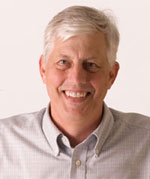
By Debbie Z. Harwell, Editor
It is with great sadness we share the news that our founder and friend Joe Pratt passed away on Saturday, September 20, 2025. Beloved by family, friends, colleagues, and students, Joe brought joy to all who knew him. He always said people only have twenty stories and just repeat different versions of them. But Joe had many more stories, shared in his letters from the editor, revealing his wit and care for others.
Born October 6, 1948, Joe and all his siblings grew up in Port Neches. His father, Woodrow Wilson Pratt worked at a chemical plant. Joe called men like his father who came from rural poverty “risk-takers,” betting their lives they could “expand their options.” Joe’s dad taught his children the values of hard work and helping the community. “My dad raised me to pitch for the St. Louis Cardinals,” Joe mused. Baseball taught him geography and math and offered “a window into the world.”
Joe had twenty-eight aunts and uncles and about forty cousins. His mother, Ruth, took the children to gospel music “singings” and worked at a burger place, which had a side window for Black customers. Joe reflected, “Although some in our town did not preach or practice racism, few if any voiced opposition.” Like many in his generation, Joe became aware of racial injustice through sports, music, movies, books, and news coverage of civil rights.
Joe attended Rice University, but, he quipped, he first studied the oil industry during his “summers working in the labor gangs of oil and petrochemical plants … I cleaned out tanks … and scraped out carbon black residue for the large dryers used to make synthetic rubber.” He also worked twelve-hour days, seven days a week, laying pipeline in East Texas. He wrote his senior thesis on his dad’s union, the Oil, Chemical, and Atomic Workers, and later became a preeminent oil and business historian.
Joe married his wife Suzy in 1969. The next year, just before Joe headed off to basic training, they visited Bolivar Peninsula, which Joe called “my first beach.” He gleefully shared the story of visiting a friend’s pink beach cabin. When they arrived the key fit but did not open the lock, so Joe climbed through a window and opened the door. Later he discovered they had missed a turn and were guilty of “breaking and entering” at the only other pink cabin.
Joe taught at UC Berkley, Harvard Business School, and Texas A&M before coming to the University of Houston. The recipient of multiple teaching awards, he taught graduate seminars and the large US History survey with equal ease, telling stories to grab the students’ attention. In his last letter from the editor before retiring, Joe told of ringing Grandma Pratt’s dinner bell – renamed “the history bell” – to tell his students “it was time to come to order to learn some history.”
Memories of Joe flow effusively from former students and colleagues. Dr. William Kellar, a former student and colleague, recalled Joe’s passion for student success, noting Joe’s installation of a mirror in the Scholars Community with a sign above it saying “Success starts here.” Kellar reminisced, “Every student who passed through our offices looked into that mirror … and realiz[ed] that their success in life started with them.” Bernadette Pruitt credited Joe for her PhD (the first awarded in history to a Black woman at UH), saying, “[H]e had a vision for the University of Houston, one that involved seeing and embracing students of color, from working-class backgrounds … as meaningful, extraordinary members of society.”
Joe approached teaching with humility, writing after he presided over graduation as interim dean, that he stood there as “a plant worker’s son masquerading as a university professor in academic robes instead of a hard hat.” But he was no imposter.
When Joe came to UH in 1986, he was reunited with his friend Marty Melosi who had started the Institute (now Center) for Public History (CPH). Melosi recalled “When Joe joined the faculty at UH, I was energized. We spent the next several years scheming and planning on numerous CPH projects. This was a joy.”
In 2003, CPH, under Joe’s direction, began publishing what is now Houston History. He worked with community historians like Steven Fenberg who said, “Joe Pratt was my advocate and guide.” Students were an integral part of producing the magazine. Joe explained, “We created a pleasant place where ‘work’ often seemed like play.” And I can assure you, it did; we worked hard and laughed hard. Hopefully we still capture that fun that marks Joe’s legacy. At CPH’s thirtieth anniversary, Joe wrote, “Together with many others, [Marty and I] have built a sturdy outpost of history in a region long neglectful of its past.”
This tribute to Joe merely scratches the surface, and we plan a full retrospective in a future issue. For now, we offer our deepest sympathy to Suzy, Kate, Ryan, Felix, and Theo. We mourn the loss of our friend, celebrate a life well-lived, and give thanks we were lucky enough to be in Joe’s orbit.
Enjoy the memories of Joe shared by colleagues, former students, and friends below. If you have memories that you would like to share, please send them to Debbie Harwell at HoustonHistory@uh.edu.

Marty Melosi, Professor Emeritus and former director of UH Center for Public History
Joe and I were colleagues at Texas A&M before he arrived at the University of Houston in 1986. I had been there since 1984. Very quickly he was involved in what was then the Institute for Public History (later to become the Center for Public History). Almost immediately we began planning and scheming about many projects and regularly mused about our long-range goals, especially with respect to Houston history and energy history.
Joe and I were cut from different cloth. He was a long, tall Texan from the oil rigs, and I was a rather intense product of the Bay Area in California. Few guessed that we would become such fast friends, but the common passion for our work, our shared interest in sports, and our marriages to two extraordinary women bound us together.
One sign of that connection took place as a result of co-editing a book entitle Energy Metropolis: An Environmental History of Houston and the Gulf Coast (2007), dedicated to “Carolyn and Suzy, with love.” Co-editing is not an easy task, which requires a lot of give-and-take. We worked well together over the many months of the project and were pleased with the results. On reflection, what I found most remarkable was our “Introduction,” which was jointly authored by Joe and I. What was notable about that piece to me was that it is impossible to tell where Joe’s prose began and where mine ended—and vice versa. The two of us remained identifiable individuals in almost every way, but not so in that “Introduction.” It says a lot about our willingness to share our thoughts, but it says even more about our common bond. Those things that unite you are often unspoken but felt..
William Kellar, independent historian and consultant
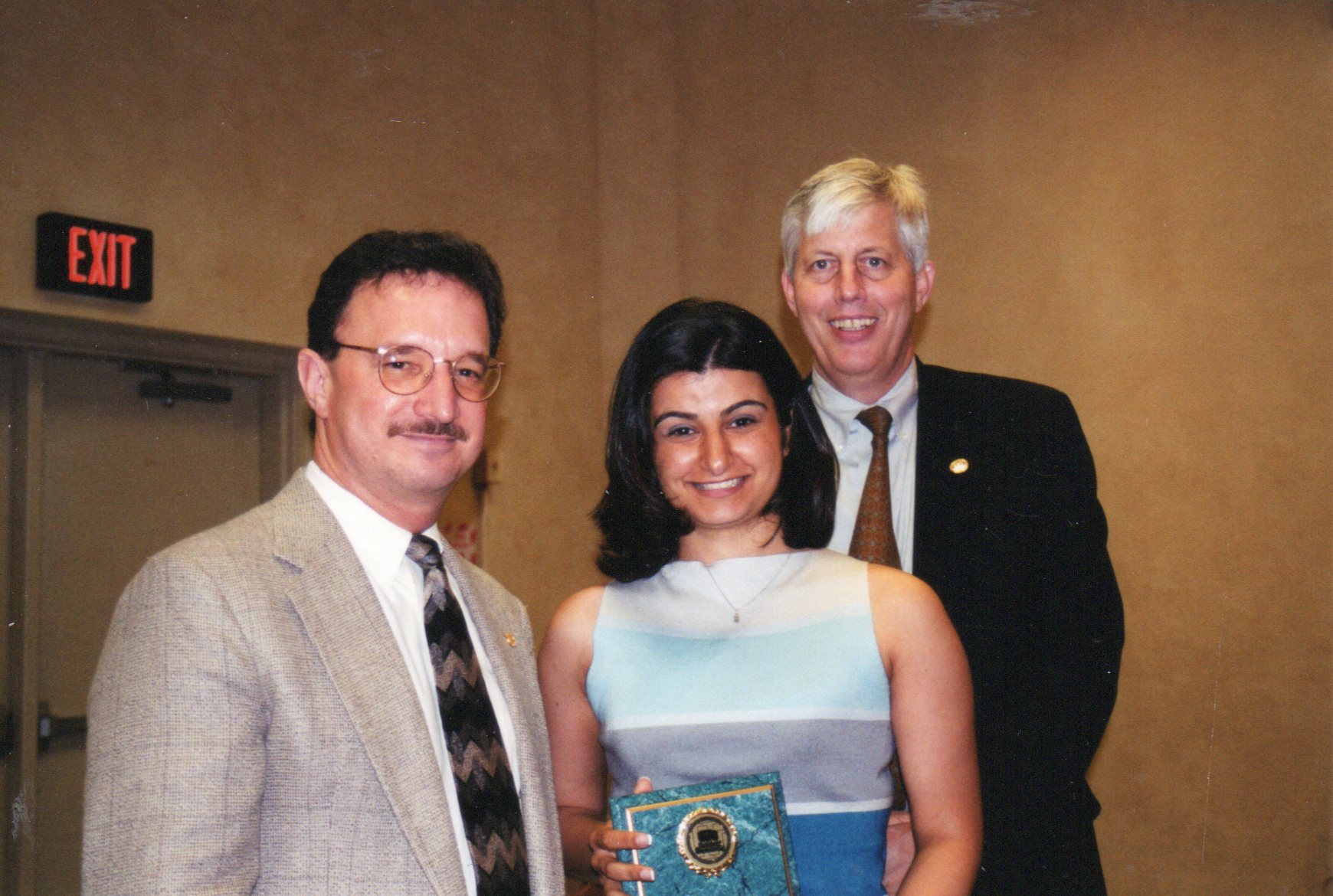
Joe Pratt was the quintessential teacher. He worked tirelessly to prepare for his classes and to encourage his students to strive for success. He was passionate about teaching history and helping his students to succeed. I am proud to say that I was one of those students who benefited from his unfailing dedication. Ultimately, Joe had many roles in my life during the thirty-plus years that I knew him. He was my teacher, graduate advisor, mentor, boss, colleague, and most importantly, my friend.
I first met Joe in the early 1990s when I began taking courses for my doctoral degree in US History at the University of Houston. He was one of the professors on my dissertation committee and after graduation, he helped me to get my first job in public history with the Business History Group. Joe continued to be supportive and recommended me to other clients and soon I had a steady business writing institutional histories. In 1997, he recruited me to become the new director of the University of Houston’s Scholars’ Community program, a student success program he had helped to create. Joe’s love for teaching inspired him to come up with the slogan “Success starts here” for the Scholars’ Community. He donated an old mirror which we installed at the bottom of the steps leading to our student lounge and placed the “Success starts here” sign above it. Every student who passed through our offices looked into that mirror seeing their own reflection and realizing that their success in life started with them.
During these nine years with Scholars’ Community, Joe brought Houston Review of History and Culture to UH and changed it to Houston History magazine. We spent many happy hours working on these endeavors together and also enjoying UH Cougars and Houston Rockets basketball games. As sad as I am about his passing, I cannot help but smile as I remember him and his goofy grin, along with his love for sports and old-style country and western music. He was a very down-to-earth person despite his professional success and possessing the keenest analytical mind of anyone I have ever known personally. But most importantly, I am grateful for how he taught me, as a student, to strive for excellence in research and in writing, to respect our beloved profession of history, and by his example, to truly care about our students. With his passing, the world is a much less interesting place and for those of us who knew him, we have lost a much beloved and very dear friend.
Bernadette Pruitt, Associate Professor of History, San Houston State University
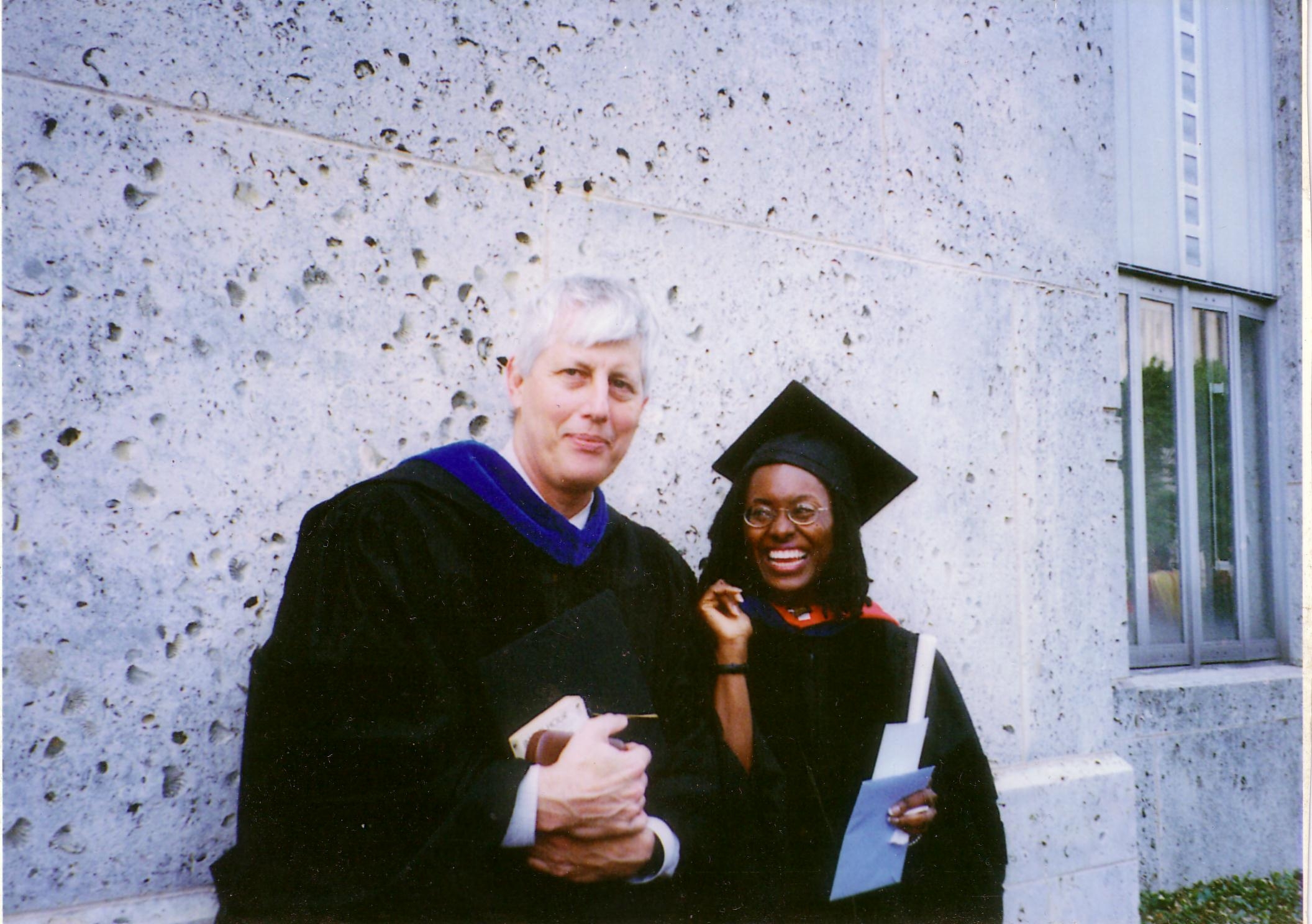
I have a PhD in history because of remarkable mentors within my family and at Texas Southern University, the University of Houston, Sam Houston State University, and throughout the academy. No one deserves more credit than Dr. Joseph Allen Pratt, who recruited me for the University of Houston’s doctoral program in history in 1991. He and Dr. Martin V. Melosi provided me with research assistantships, tutored me when I failed my exams the first time I took them in the fall of 1994, served on my dissertation committee, beamed with pride when I gave him an autographed copy of my first book, and has remained an extraordinary cheerleader and inspiration in my life for the last three decades. A brilliant activist scholar, similar in some ways to W. E. B. Du Bois, he had a vision for the University of Houston, one that involved seeing and embracing students of color, from working-class backgrounds, and from marginalized, diverse groups as meaningful, extraordinary members of society, deserving of purposeful mentoring and the chance to hold doctorate degrees. Now an ancestor himself, he has left an enduring imprint on my life. Mostly, like Prof Pratt, I love mentoring students! Thank you, Joe, and love always!
Amiee Bachari, History PhD student and associate editor of Houston History
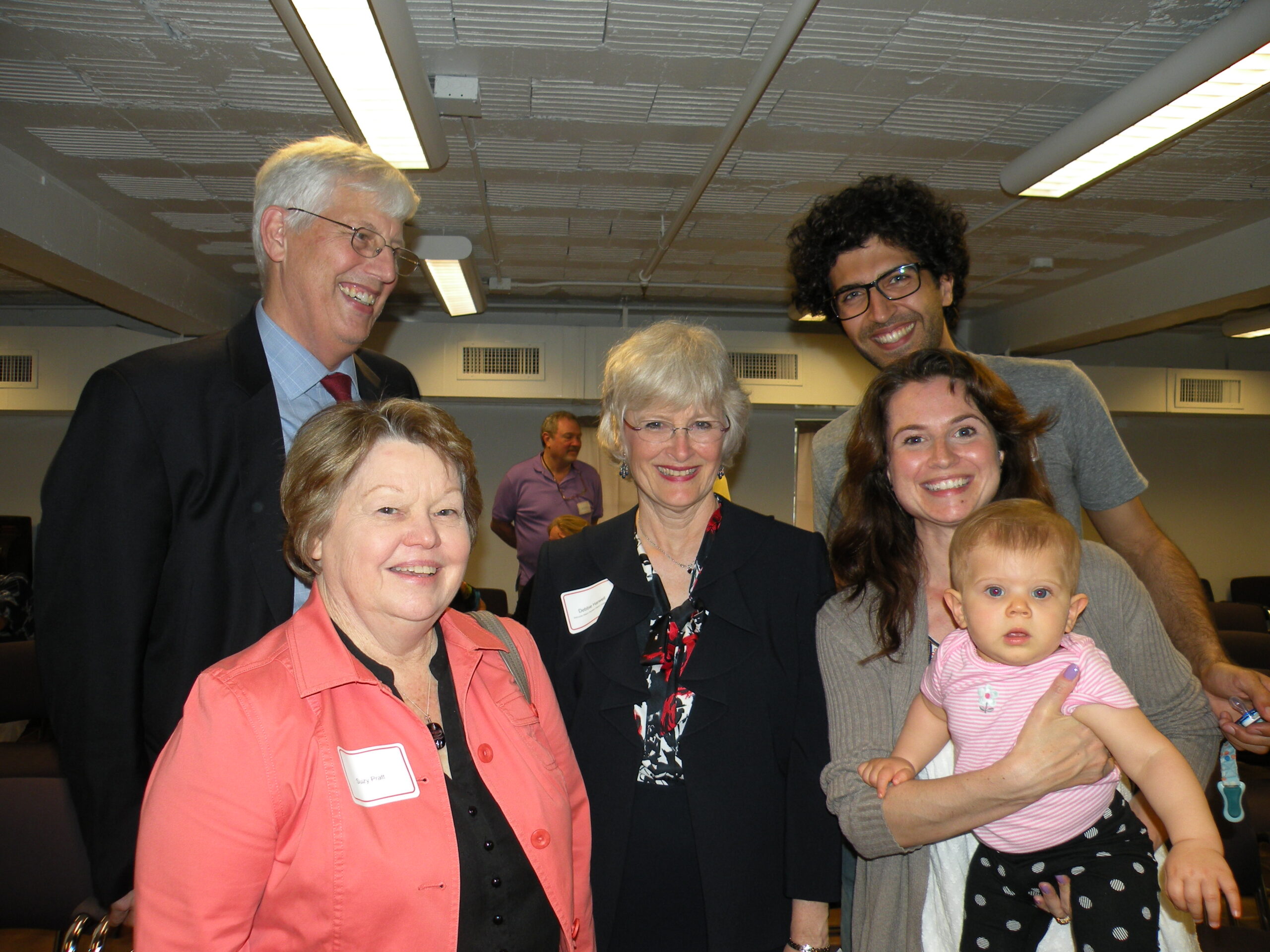
Dr. Joe Pratt was such an inspiration to me. Working for the Welcome Wilson Houston History Collaborative as the Associate Editor of Houston History and interviewer for the Oral History Project provided me with the skills needed to begin my career as a public historian. Joe was not just a boss. He was a true friend. He pushed us all to do our best and gave us invaluable experience, along with so many laughs and lifelong lessons along the way. To say he will be missed is an understatement. Even today, I find myself connecting with former colleagues and sharing oral histories of Houston through podcasts and films. In this way, his legacy continues to live on.
Steven Fenberg, writer
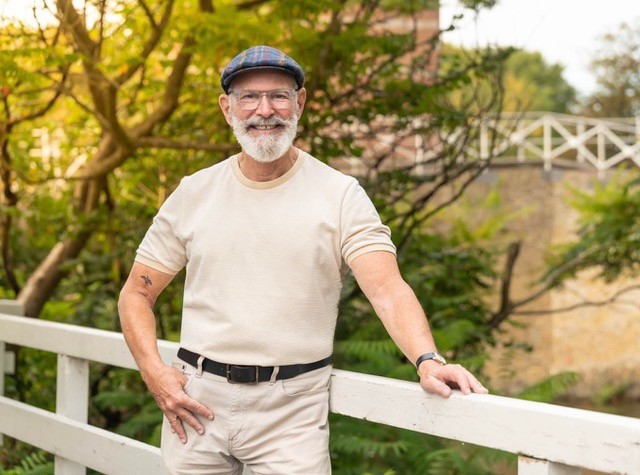
Joe Pratt was tall, fun, brilliant, humble and kind. He was a joy to be around. He embraced history and told stories from the past to provide perspectives and strategies today. While writing books, publishing magazines, chairing the University of Houston History Department, inspiring thousands of students and raising a family, Joe was my advocate and guide.
I was hired in 1993 to write a biographical sketch about Jesse Jones for Houston Endowment—the philanthropic foundation he and his wife Mary Gibbs Jones established in 1937. Mr. Jones was Houston’s preeminent developer during the first half of the 20th century. Additionally, throughout the Great Depression and World War II, Jones was said to be the most powerful person in the nation next to President Franklin D. Roosevelt. As chair of the federal government’s Reconstruction Finance Corporation (RFC), through lending, not spending, Jones and the RFC spread electricity throughout the United States; built tunnels, bridges, highways and municipal water systems; rebuilt communities after natural disasters; financed the development of high-speed trains; and saved thousands of homes, businesses, farms and banks from bankruptcy. The RFC notably returned a profit to the U.S. treasury and its taxpayers while completing these enormous tasks. That grabbed my attention. I wondered how to adapt the RFC’s monumental accomplishments into strategies today and how to convey this remarkable story. That’s when Joe Pratt stepped in.
Even though Jones passed away in 1956, people still lived who knew him. I thought their recollections should be immediately captured. Houston Endowment’s board of directors agreed to pursue an oral history program after Joe explained to them the timely significance of the project. As a result, I interviewed more than 40 people who knew Mr. Jones, including merchant Stanley Marcus, economist John Kenneth Galbraith, Lieutenant Governor Bill Hobby and past employees, including August Waites, his Black driver, who had lunch at the segregated San Jacinto Inn because of Mr. Jones’s intervention.
Once more with Joe’s endorsement, I served as executive producer and co-writer of the documentary film, Brother Can You Spare a Billion? The Story of Jesse H. Jones, which originated at the University of Houston’s KUHT-TV. The film was narrated by Walter Cronkite, won an Emmy award and was broadcast nationally on PBS. As one of the film’s expert interviewees, Joe contributed his insights about Jones and Houston. He also helped me with content. After that, he promoted to Texas A&M University Press Unprecedented Power: Jesse Jones, Capitalism and the Common Good, the biography I wrote that today serves as a template for a new national infrastructure bank modeled on the RFC. Joe was instrumental in fulfilling my vision of sharing the RFC’s relevant story.
Everything I produced about Jesse Jones embodies Joe Pratt’s influence. Joe understood the value of telling stories about successes from the past, of translating them into solutions today and of nurturing people who tell those stories. Joe’s respect for history and his many meaningful contributions resonate now and will for many generations to come.
 Follow